
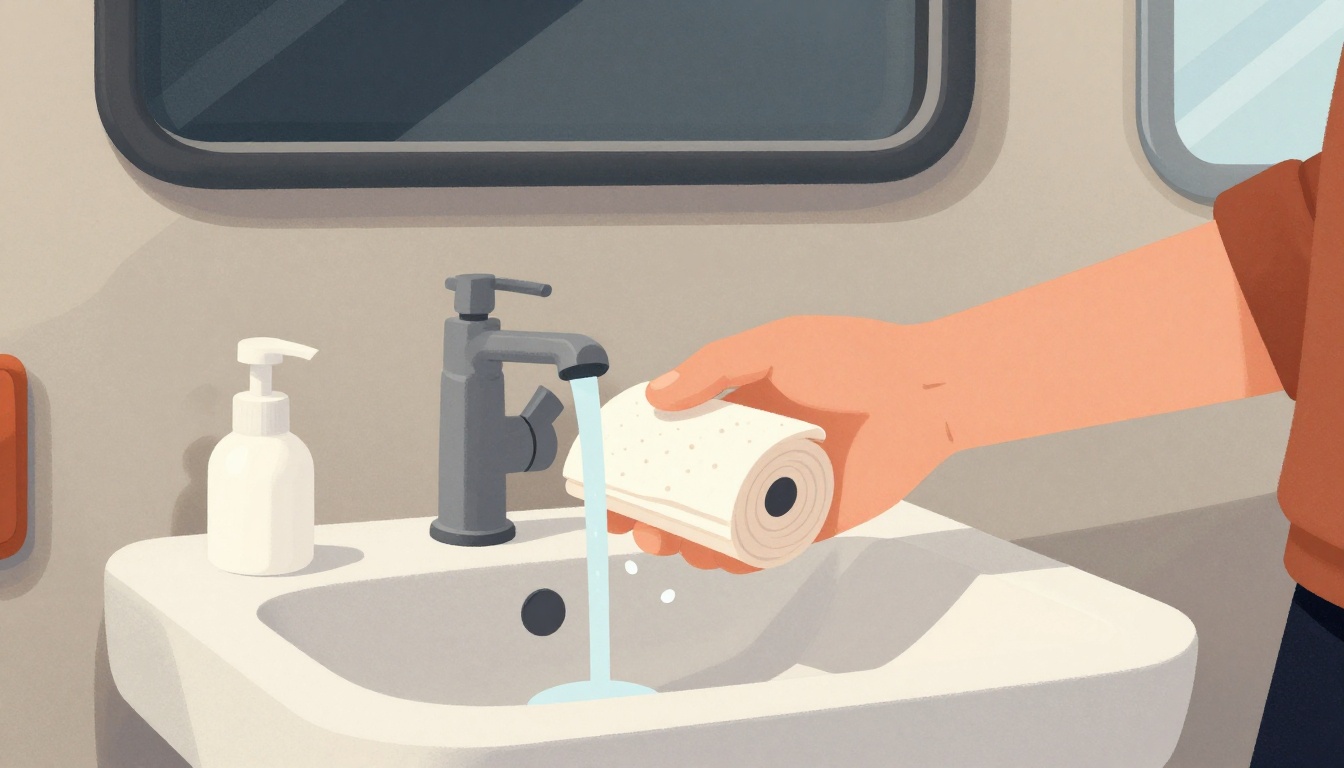
If you operate a food truck in Utah, a proper handwashing station isn't optional—it's a core requirement under state sanitation rules. Without one, you risk failed inspections, fines, or even being shut down. This guide breaks down the specific requirements and how to set up a compliant station.
Which of the following is a required component of a handwashing station for a Utah food truck?
Select one answer.
What Utah law requires
Under Utah Administrative Code R392-102, every mobile food business must have at least one handwashing sink with hot and cold running water. This is a baseline requirement for all food trucks, carts, and trailers operating in the state.
Local health departments enforce these rules. For example, Salt Lake County requires all mobile units to meet health department regulations and pass a plan review before receiving a permit. Inspectors check that handwashing stations are accessible and properly equipped.
Key components of a compliant station
Your handwashing station must include more than just a sink. Based on state rules and local guidance, here's what you need:
- Hot and cold running water – The sink must have both, not just cold.
- Soap – Provide liquid soap in a dispenser.
- Disposable towels – Paper towels or air dryers are required; cloth towels are not allowed.
- Wastewater collection – A holding tank for used water is essential, especially for mobile units.
- Accessibility – The station must be within the food truck and reachable for employees during all operations.
For temporary setups like booths at farmers markets, Southwest Utah Public Health specifies a handwashing station with at least 5 gallons of water, a free-flowing valve, soap, and paper towels. This gives you a practical benchmark for mobile operations.
Common inspection pitfalls
Inspectors frequently cite inadequate handwashing as a violation. According to PassMyKitchen, common issues include:
- Station not accessible during food prep
- No hot water
- Missing soap or paper towels
- Wastewater tank not properly managed
To avoid these, make handwashing a daily pre-service checklist item.
Actionable checklist for compliance
Before each shift, verify:
- Handwashing sink is clean and stocked with soap and paper towels
- Hot water is available (test the faucet)
- Wastewater tank is empty and ready
- Station is unobstructed and within reach of food prep areas
- All staff know where the station is and how to use it
Quiz: Test your knowledge
Which of the following is a required component of a handwashing station for a Utah food truck?
- A) Hot and cold running water
- B) A foot pedal
- C) A separate sink for washing dishes
Correct answer: A) Hot and cold running water
How the Featured Expert Can Help
Getting your food truck compliant starts with proper training. Utah State Food Handlers offers live, in-person food safety certification classes across Utah, approved by the state. Their hands-on instruction covers essential sanitation practices, including handwashing requirements, to help you obtain your permit quickly. With online payment and convenient class locations, they make it easy to get certified and stay compliant.