According to USDA guidance, how long are most cooked leftovers safe in the refrigerator?
Select one answer.
The problem: you're not sure if it's still safe
Every food handler in Utah faces the same question at some point during a shift: is this leftover still good, or does it need to go in the trash? Guessing is not an option. Tossing food too early wastes money, and keeping it too long puts customers at risk of foodborne illness. The good news is that the rules are clear once you know them.
The two-hour rule comes first
Before you think about days, think about hours. Perishable food should be refrigerated within two hours of coming out of the oven or refrigerator. After two hours at room temperature, perishable food may become contaminated with harmful bacteria that ordinary reheating will not destroy, so it should be discarded. This is the foundation of every leftover decision you make.
How long leftovers last in the refrigerator
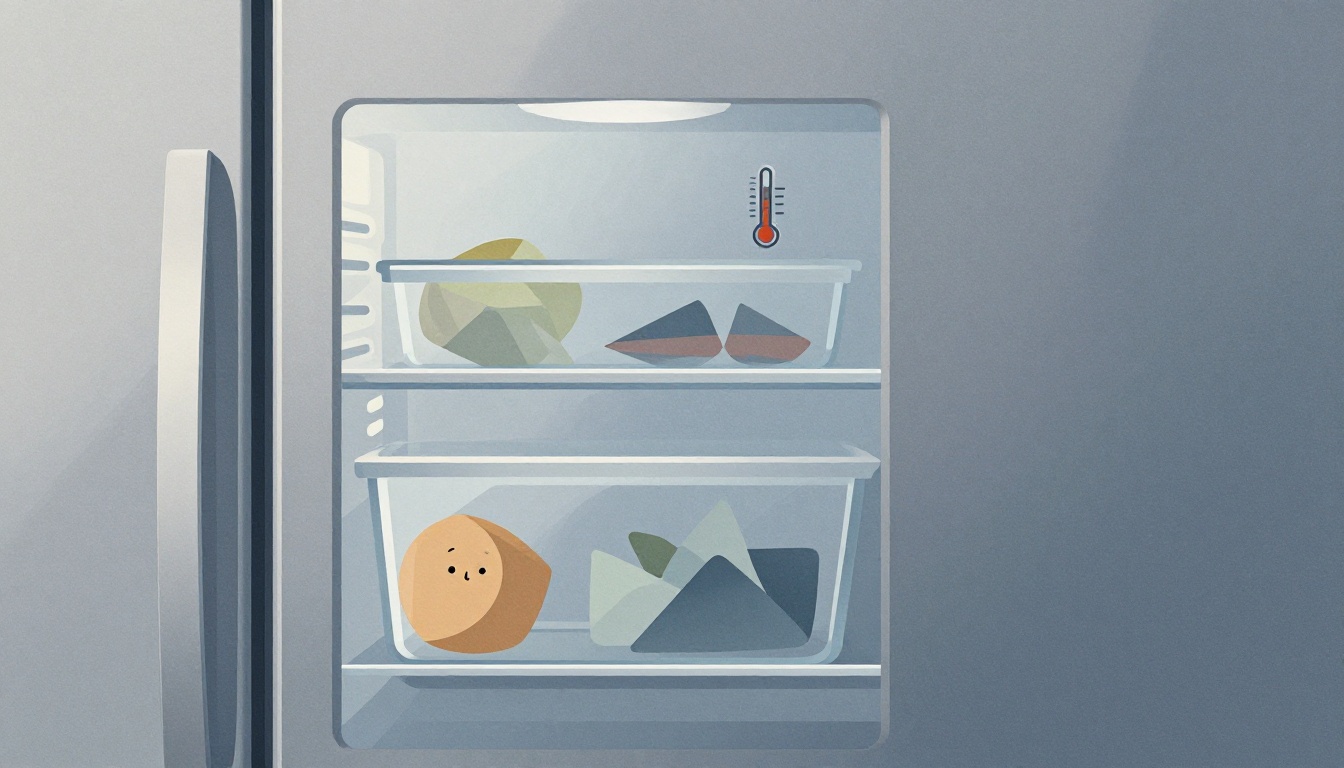
According to USDA guidance, most cooked leftovers are safe in the refrigerator for 3 to 4 days. That window applies to a wide range of foods, including cooked meat, poultry, fish, egg dishes, soups, stews, casseroles, pizza, and cooked vegetables. The refrigerator should be held at 40°F or below.
In Utah, cold-held food must stay at or below 41°F to prevent foodborne pathogens from growing to dangerous levels. If it rises above that temperature, germs can multiply quickly. Check your cooler or refrigerator thermometer at the start and end of every shift.
The 7-day date-marking rule for ready-to-eat food
Utah follows the FDA Food Code approach to date marking. Refrigerated, ready-to-eat, time/temperature control for safety food that is prepared and held in a food establishment for more than 24 hours generally must be marked to indicate the day by which the food should be consumed or discarded. The common industry standard is a 7-day maximum, counting the day of preparation as day one, as long as the food is held at 41°F or below.
This matters because the 7-day rule and the 3-to-4-day USDA leftover window are not the same thing. The 7-day rule is a maximum limit for date-marked, ready-to-eat food held under proper refrigeration. The 3-to-4-day window is the quality and safety guidance for cooked leftovers. When in doubt, follow the shorter window.
Freezer storage: quality, not safety
Frozen leftovers stay safe indefinitely when held continuously at 0°F, but quality declines over time. USDA guidance suggests most cooked leftovers hold their quality in the freezer for 3 to 4 months. Cooked chicken and turkey dishes can keep 4 to 6 months, while cooked fish is best within 1 to 2 months. Label every container with the date it was frozen so you can rotate stock properly.
A practical checklist for Utah food handlers
- Refrigerate perishable food within 2 hours of cooking or serving.
- Hold cold food at 41°F or below and check the thermometer each shift.
- Date-mark ready-to-eat food prepared on site and held more than 24 hours.
- Use the 7-day maximum for date-marked ready-to-eat food held at 41°F or below.
- Follow the 3-to-4-day window for cooked leftovers.
- Freeze leftovers you will not use within 4 days, and label with the freeze date.
- Reheat leftovers to 165°F before serving.
- Discard any food left out longer than 2 hours.
Reheating and cooling safely
Reheating is not a fix for food that sat out too long. Once bacteria have produced toxins, heat will not make the food safe. When you do reheat leftovers, bring them to 165°F. For cooling, use shallow pans and divide large batches so food moves through the temperature danger zone quickly.
Why this matters for your permit
Utah Administrative Code R392-103 requires food handlers to complete state-approved training and testing. The rule exists because the CDC has identified five risk factors associated with foodborne illness outbreaks, and four of them result from improper food handling or poor personal hygiene. Knowing when to throw out leftovers is one of the most direct ways to reduce that risk in your operation.
How the Featured Expert Can Help
Utah State Food Handlers provides live, in-person food safety certification classes across Utah, with state-approved training and online payment for convenience. If you prefer hands-on instruction and real-time feedback from an instructor, you can learn more and register at utahstatefoodhandlers.com.
Quick quiz
Test your knowledge of the leftover rules covered above.
Question: According to USDA guidance, how long are most cooked leftovers safe in the refrigerator?
- A. 1 to 2 days
- B. 3 to 4 days
- C. 7 to 10 days
Correct answer: B. 3 to 4 days.